COOPERATIVE BOARD GAME2023.11—12 · TEAM OF SIXMY ROLE / CARDS, RULEBOOK & PLAYTEST ANALYSIS
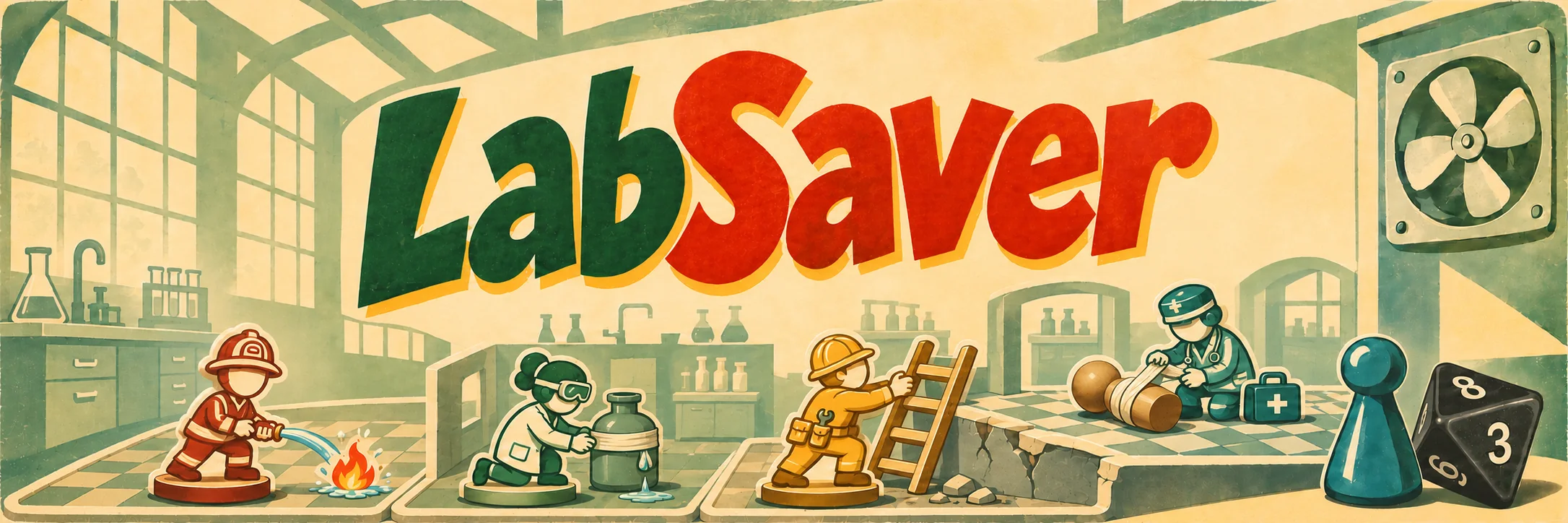




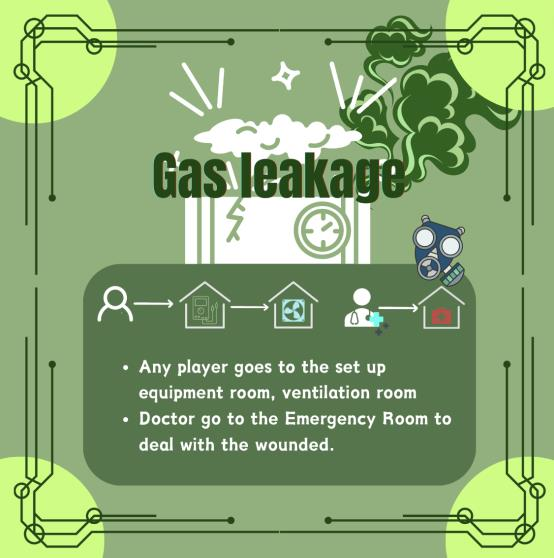
A laboratory incident changes which rooms are safe and how long the team can wait.
Each player takes a role with a different way to reach and resolve the incident.
Event and action cards interrupt the normal route and force a new plan.
The team shares one goal: clear the incident before the floor becomes unusable.

Each player takes a role. The team shares a round counter and tracks unresolved incidents as play moves between floors.
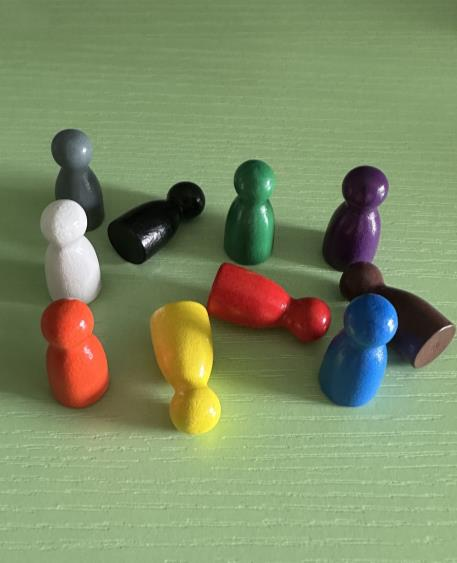
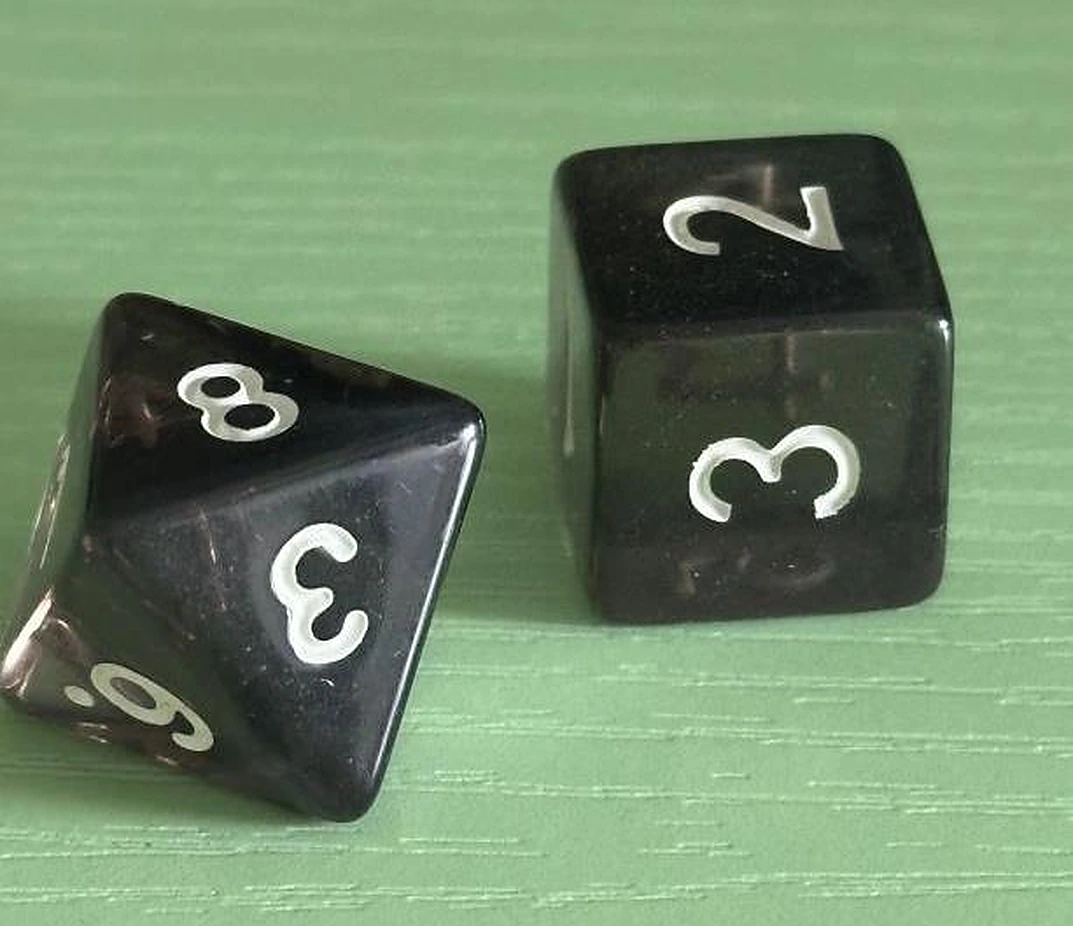
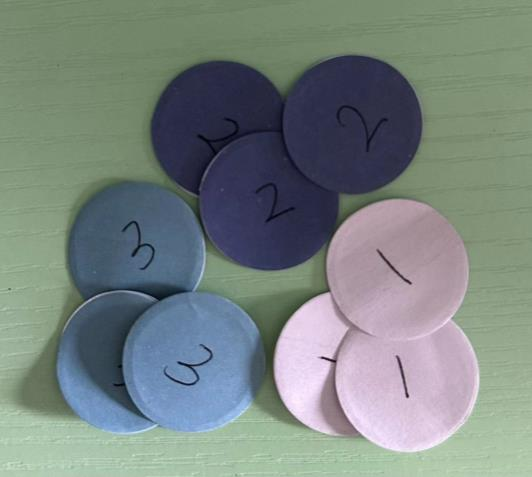
Players form a rescue team to resolve laboratory incidents within a limited number of rounds. The design connects chemical safety with resource sharing and role-based cooperation. Players win or lose together; increased safety awareness is an intended outcome, not a demonstrated learning effect.
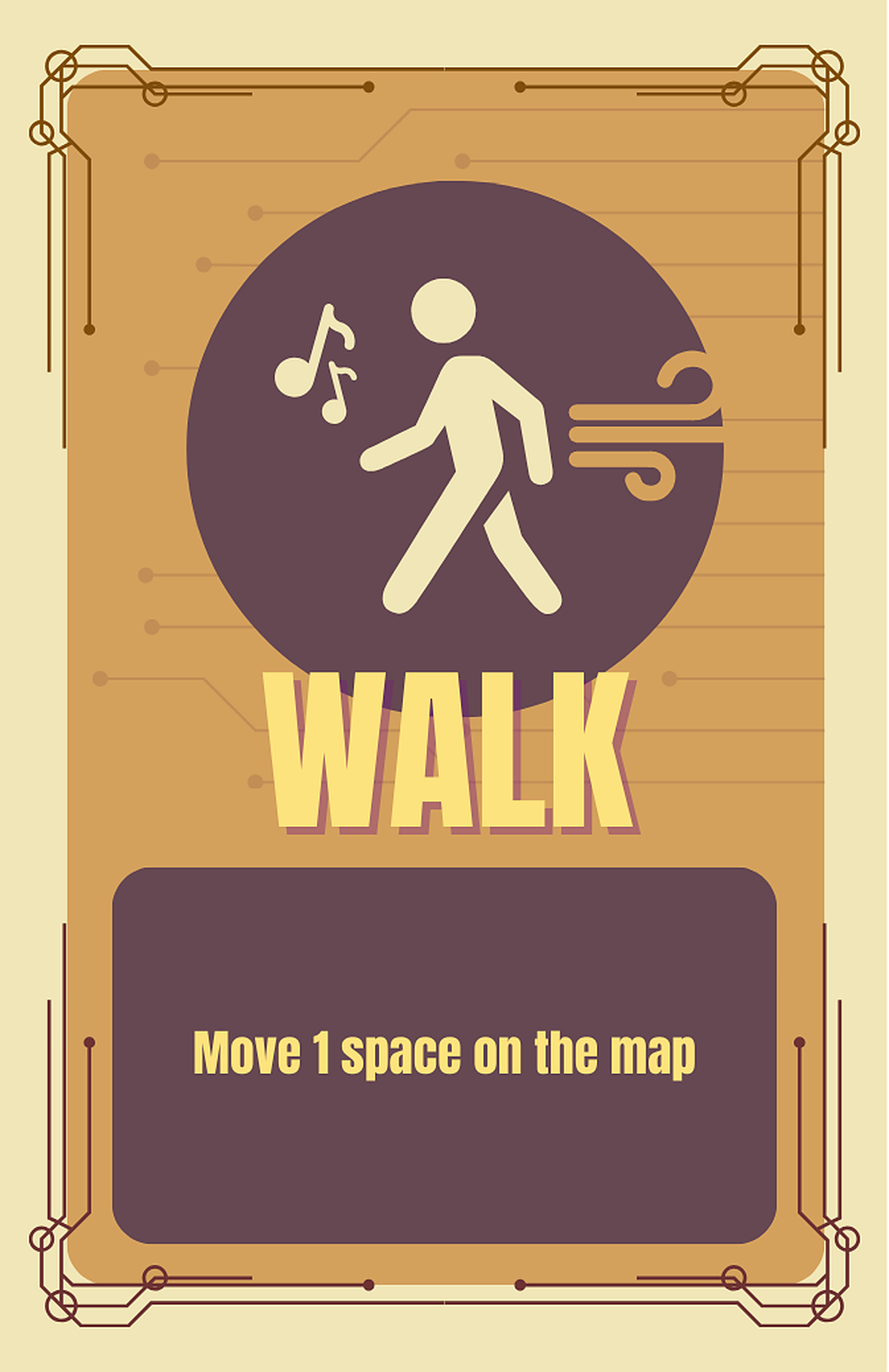
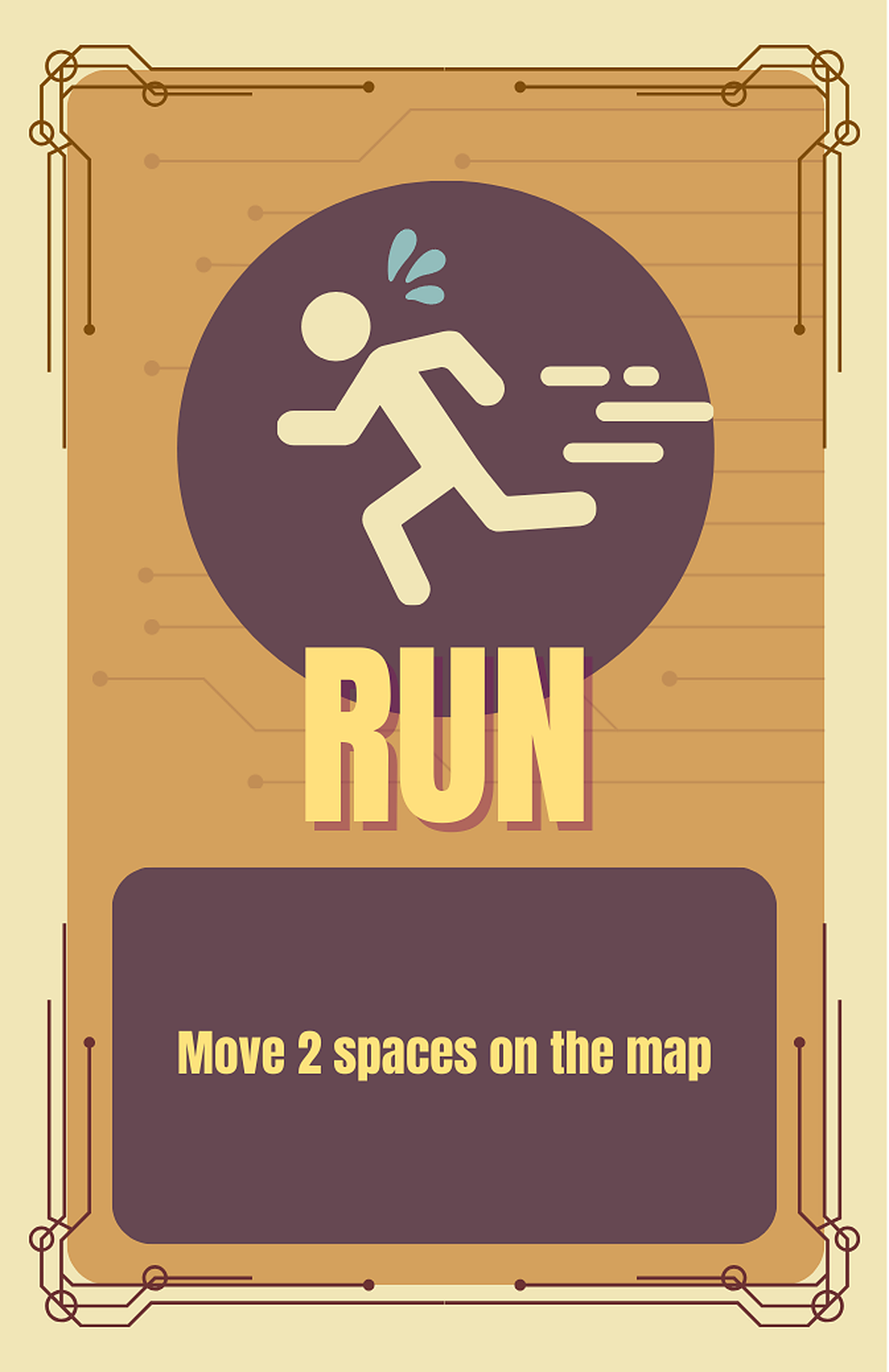
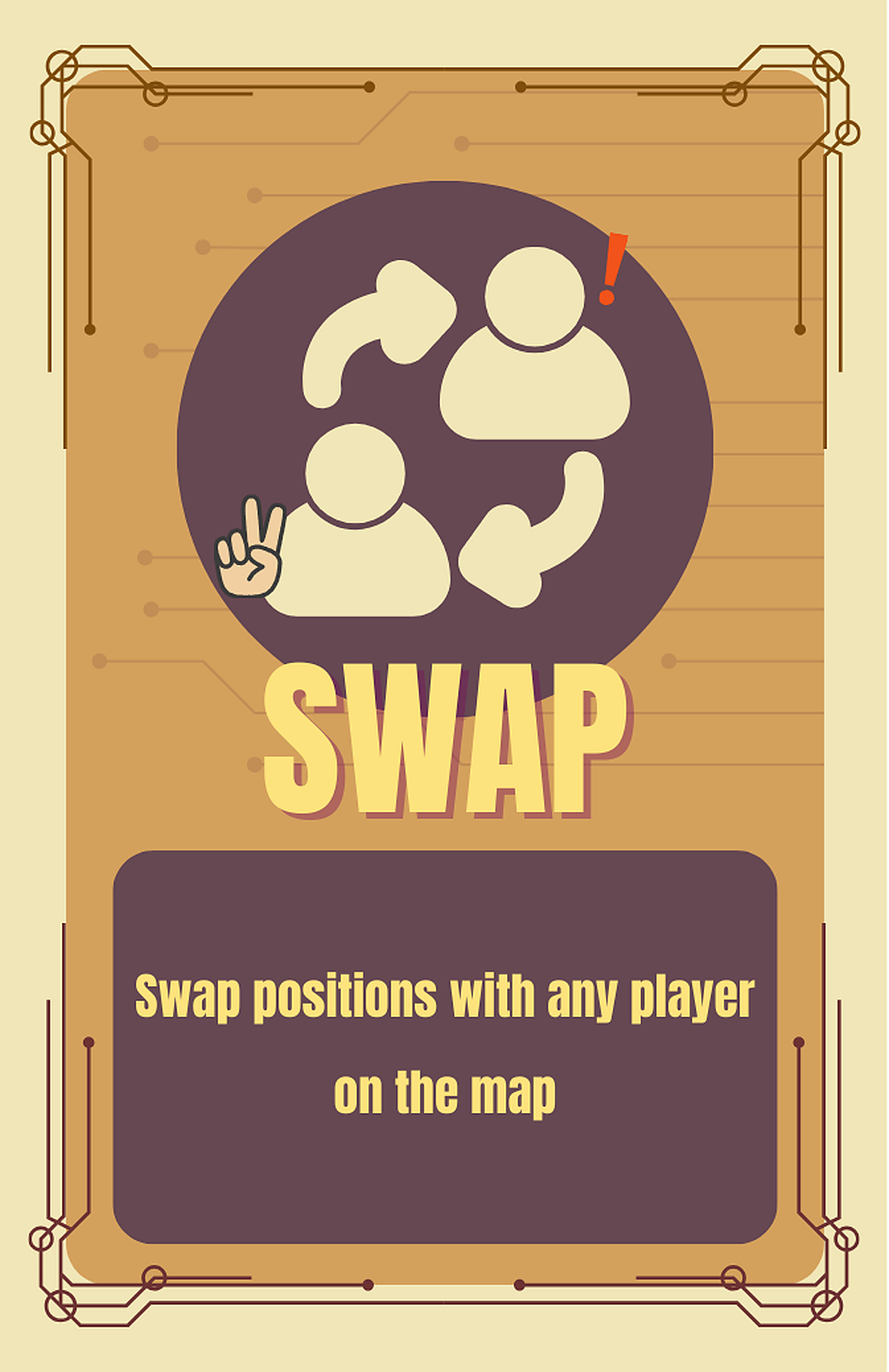
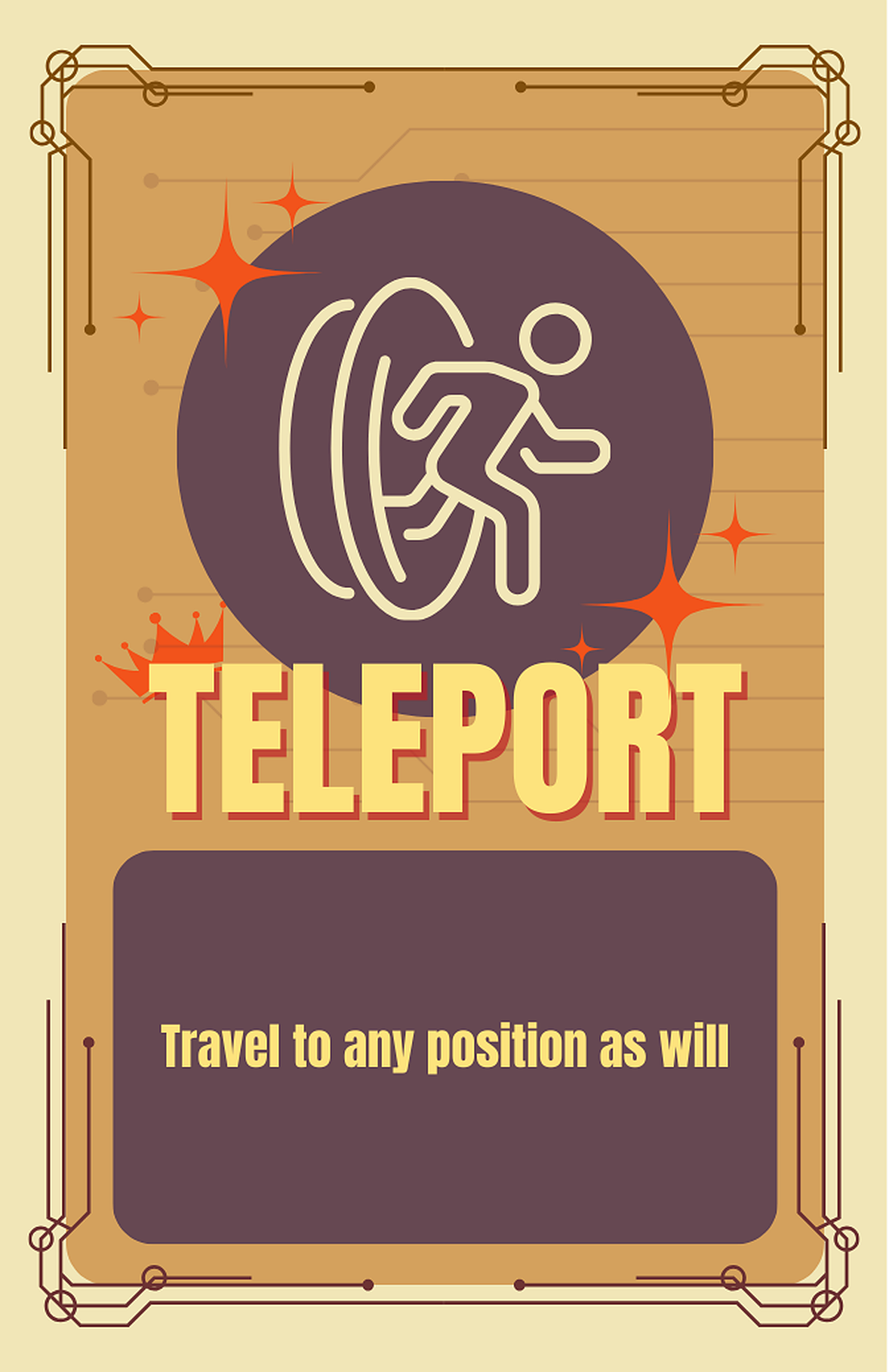
Event cards introduce crises, room skill cards provide solutions, and action cards enable movement and exchange. Incident draws were adjusted to 3 / 2 / 2 / 2 / 1 / 0 across six rounds, creating early pressure and time to resolve remaining problems later.
Contributed to card and rulebook design, physical production preparation, open playtests and survey analysis; responsible for development planning and documentation. The report records Xu Jiaqi and me jointly organizing playtests on December 14 and 17. Yu Yifan created the questionnaire. Visuals and rules were team work.
References: Pandemic’s cooperation and crisis systems, Monopoly’s action cards, and Aeroplane Chess’s dice-based randomness. This portfolio rearranges original project materials.
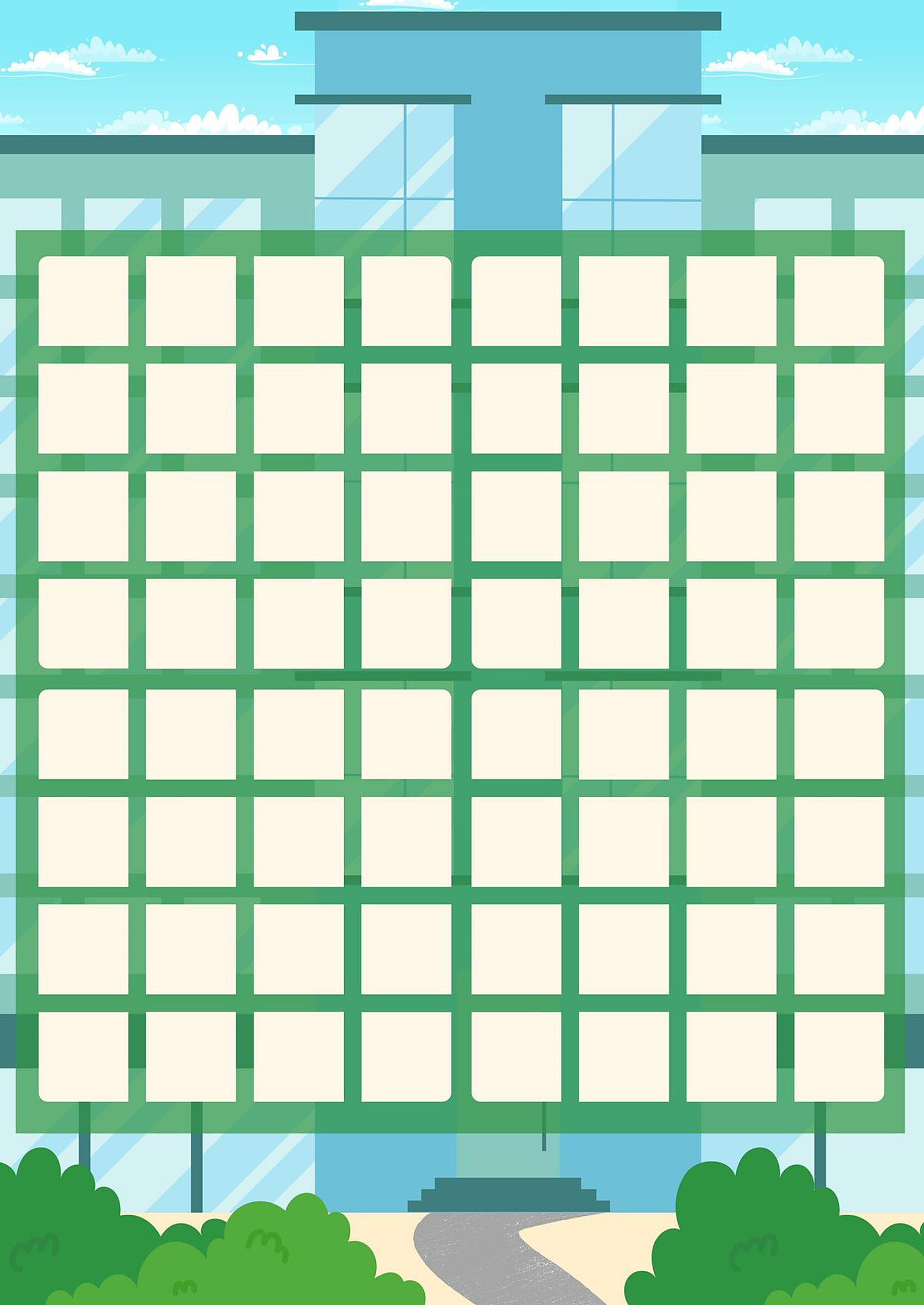
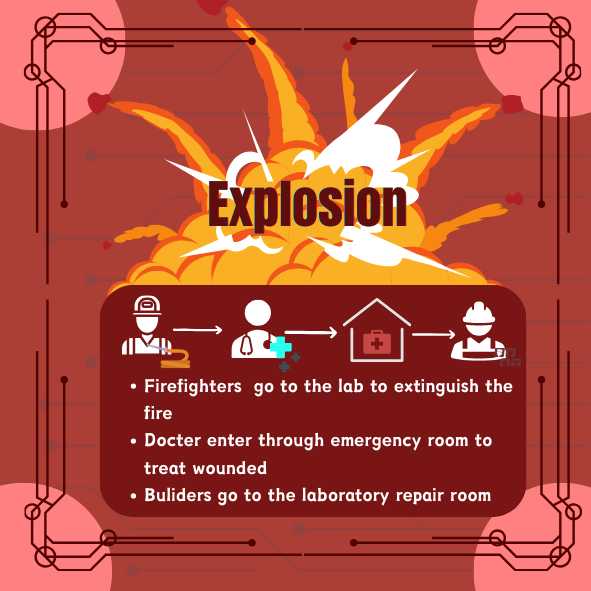
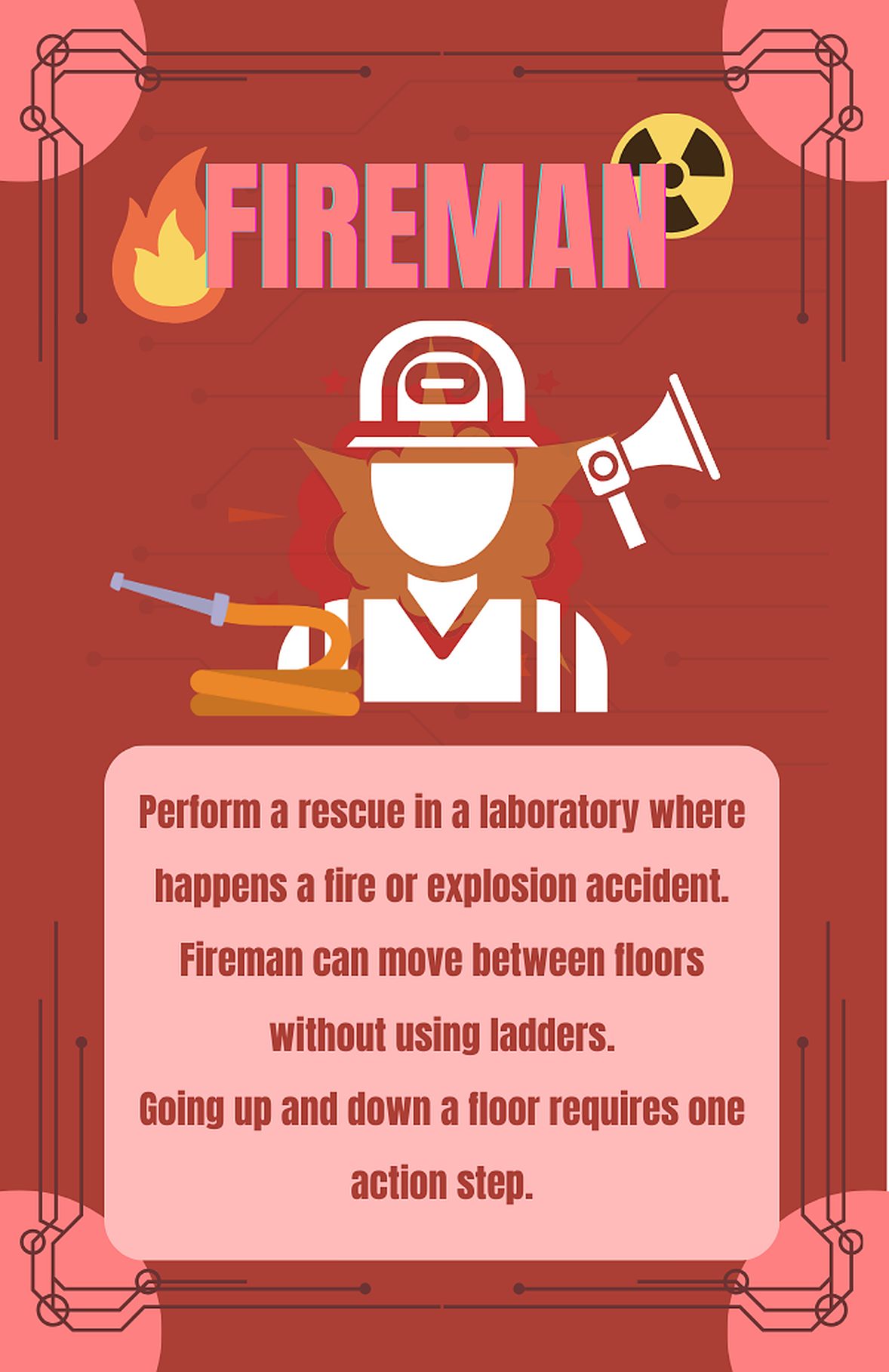
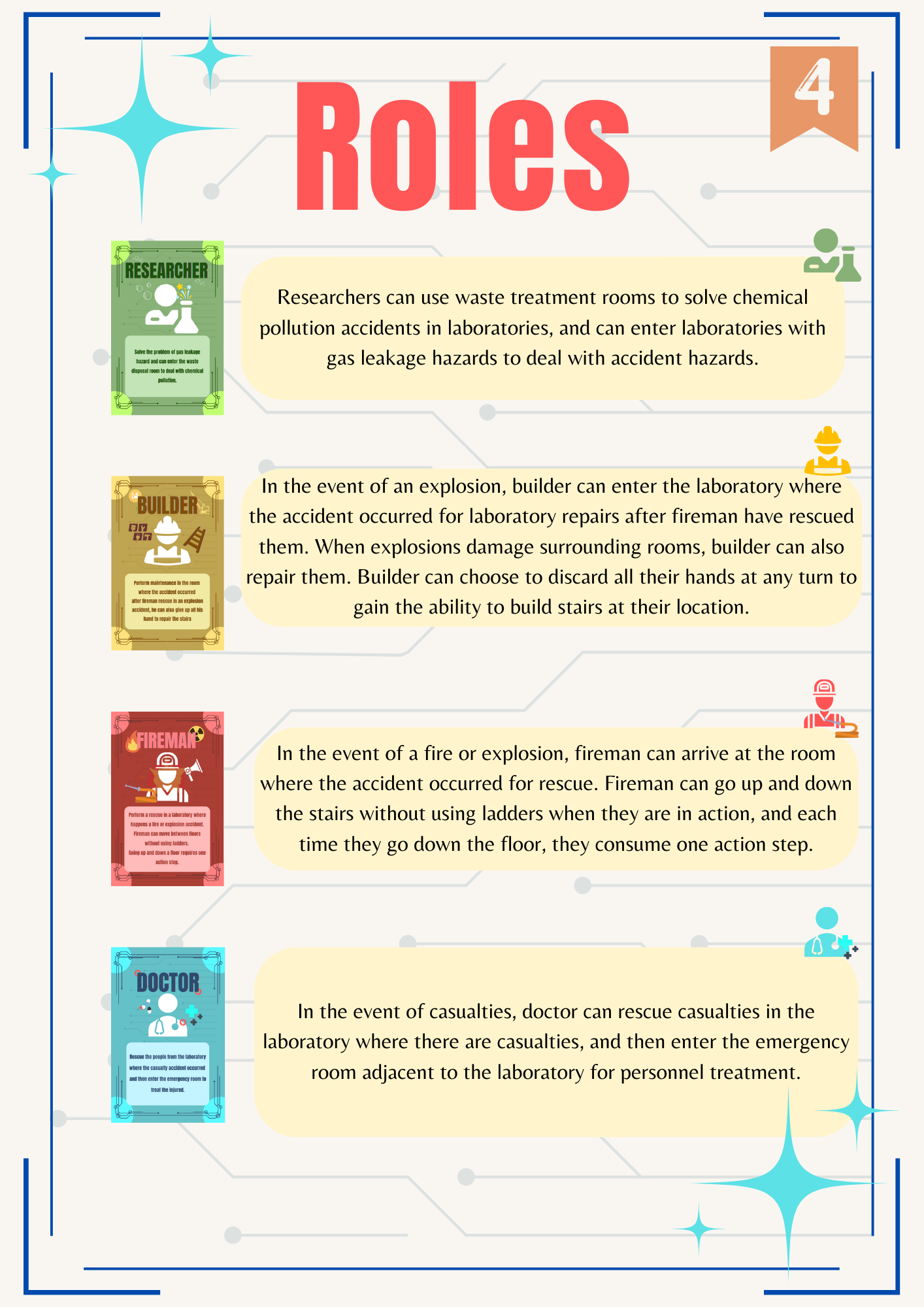
Most players need a ladder to change floors. The firefighter can cross floors directly, so the same incident is a different distance away for each role.
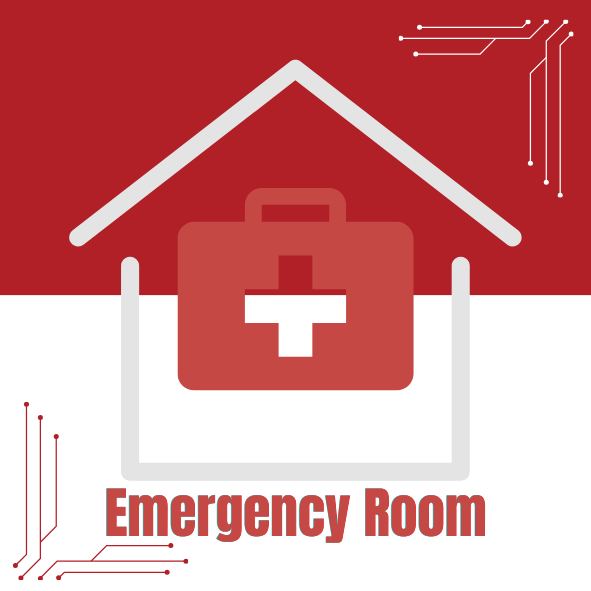
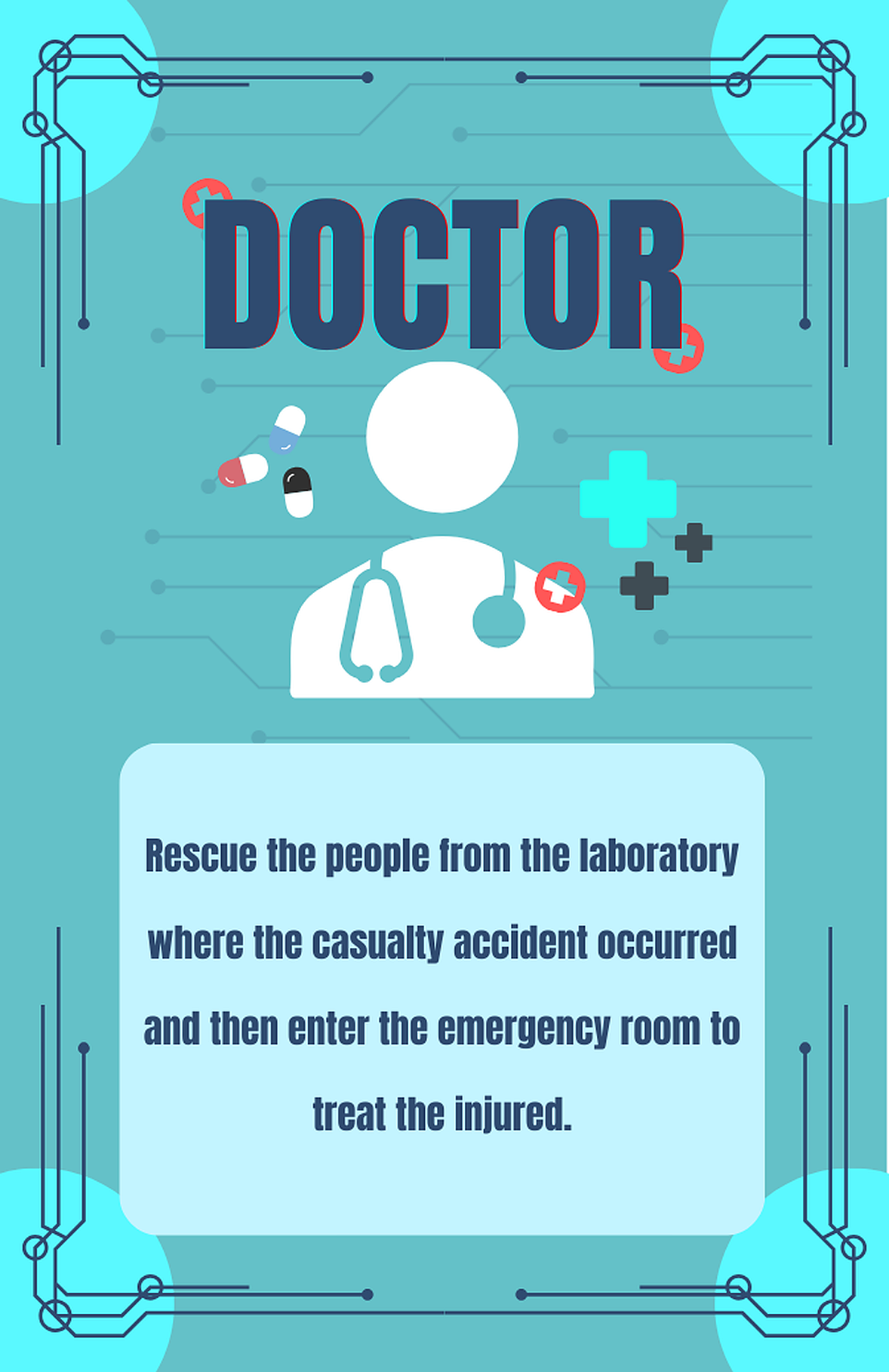
Players can build an emergency room next to a damaged lab. The doctor needs access to both spaces to complete a rescue.
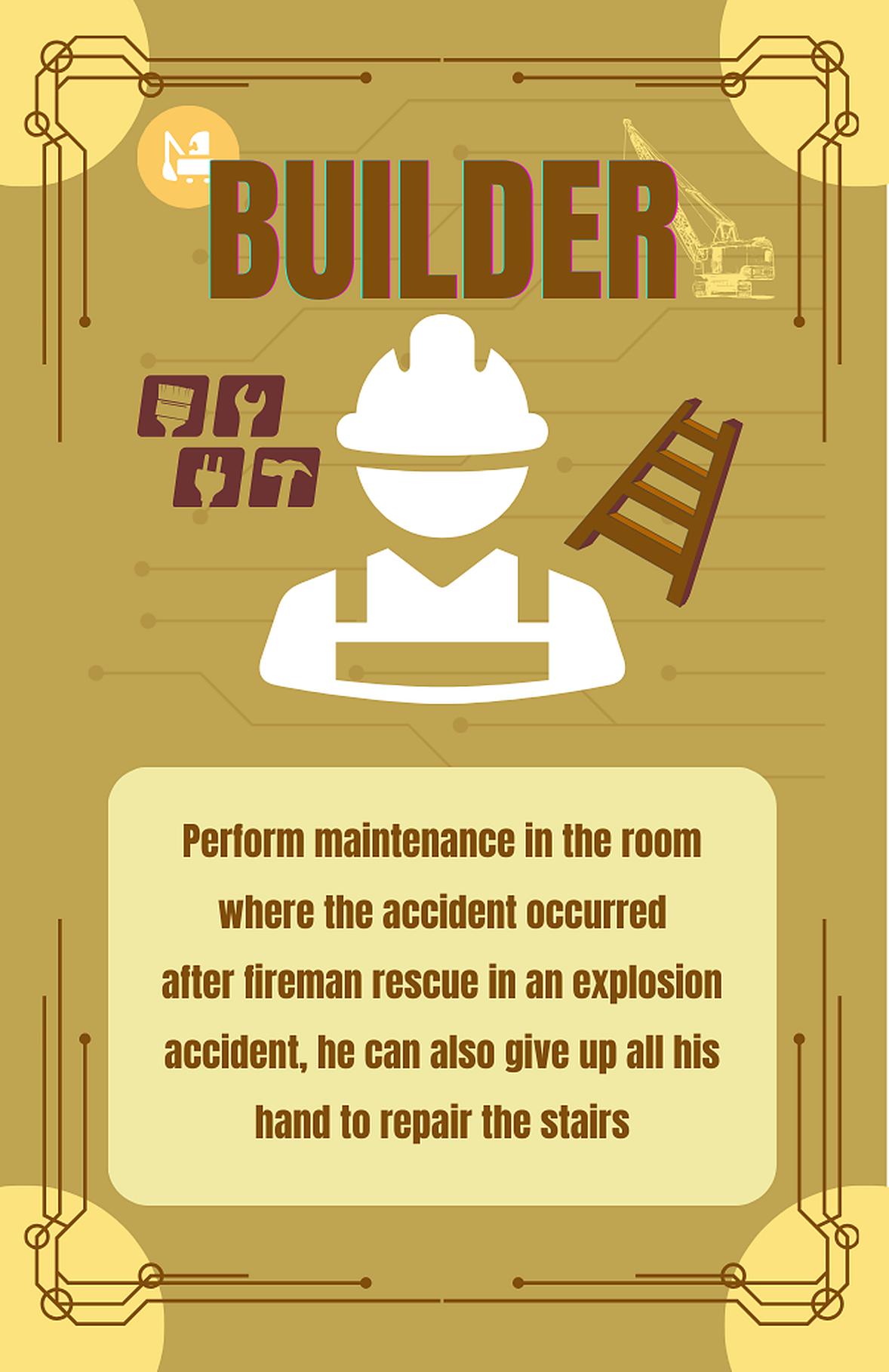
Damaged rooms block passage until the builder repairs them. An unresolved incident can change the route available to everyone.
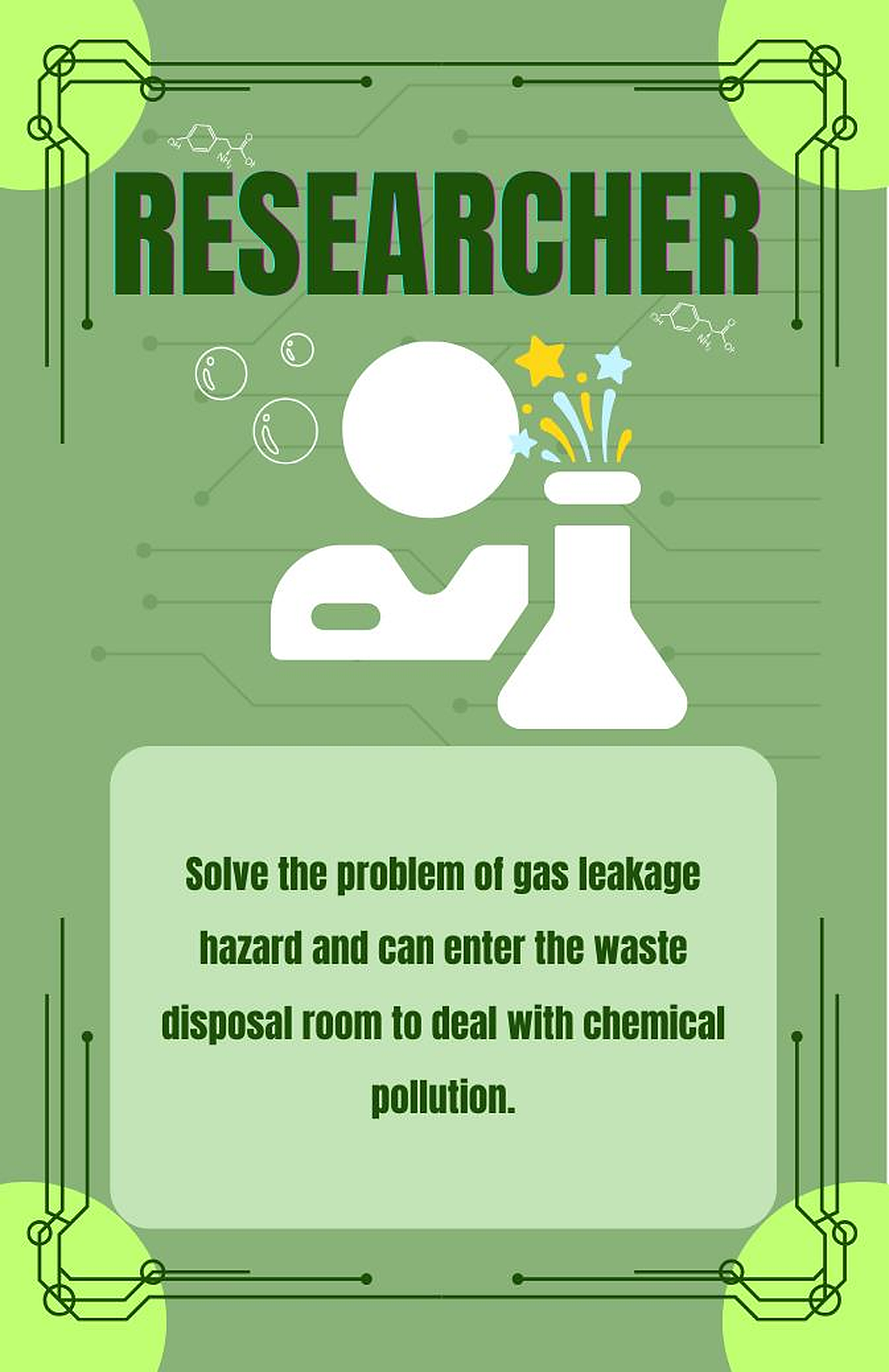
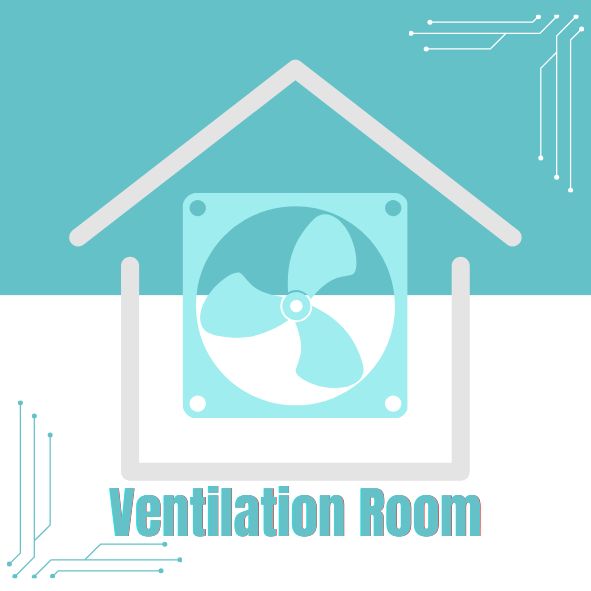
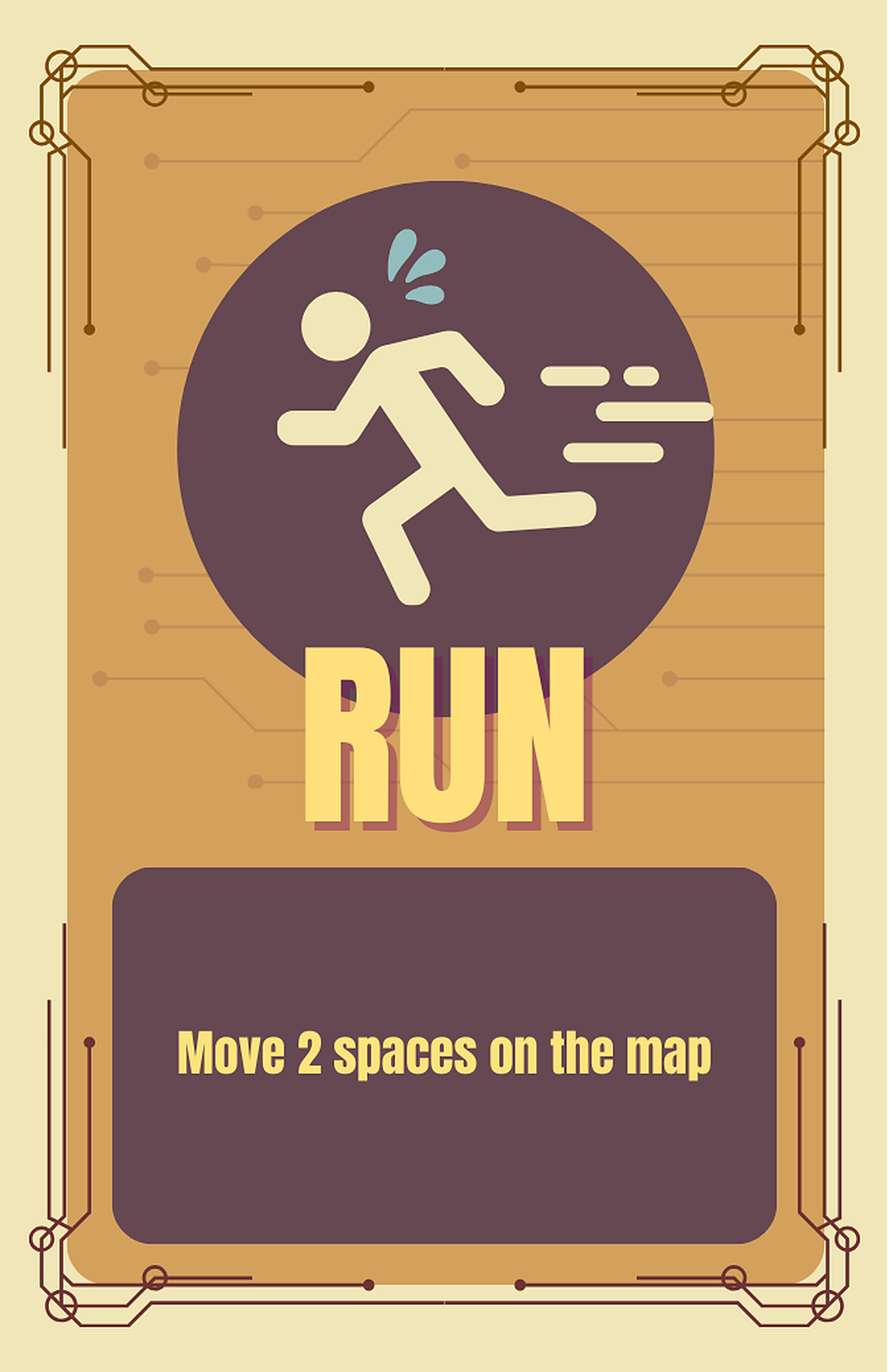
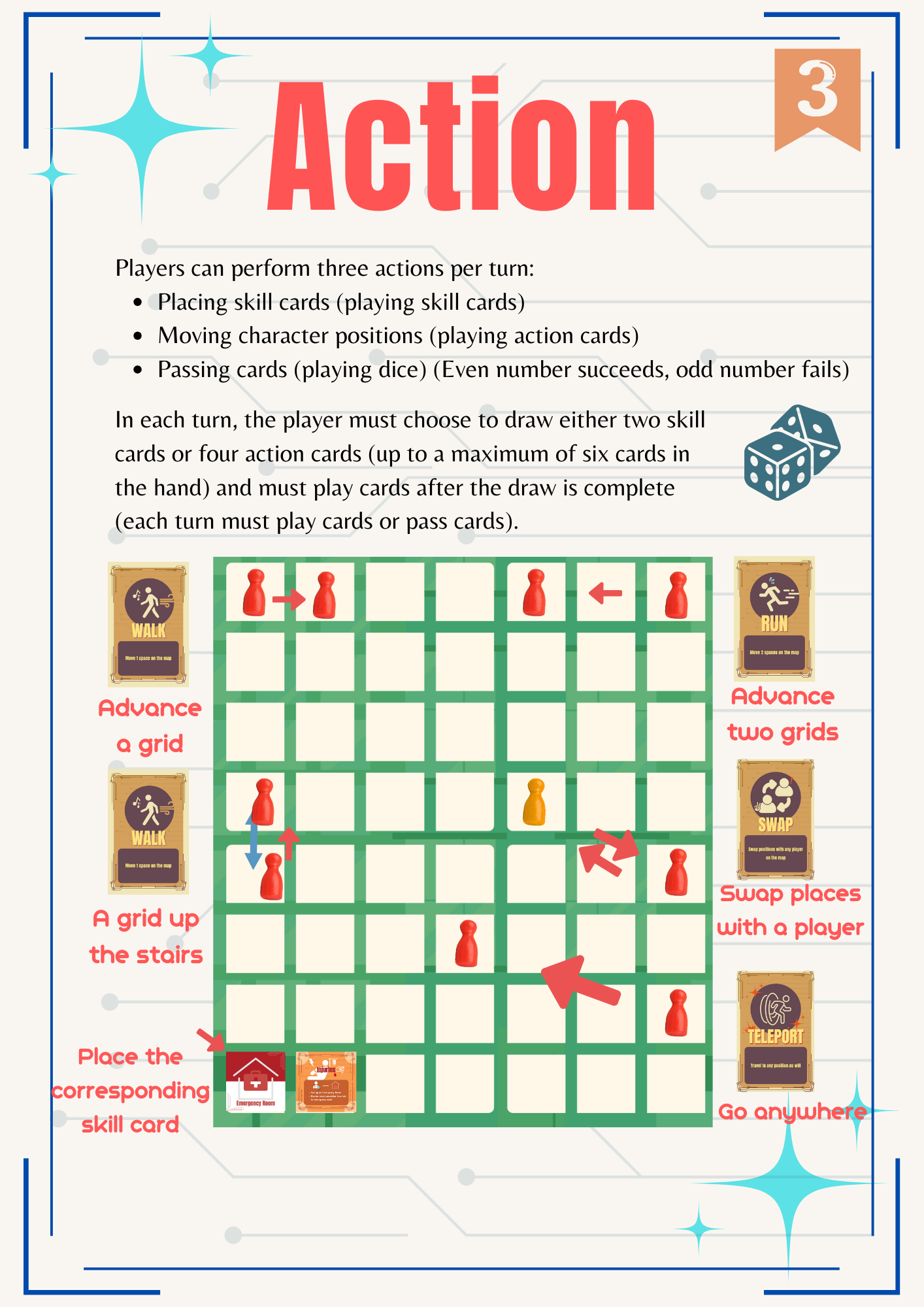
Arrows explain movement, numbered steps break down setup, and role and room icons clarify rescue requirements. Shared visual elements connect the rulebook and cards, making rule consultation part of the experience.
Original rulebook excerpts · Click to enlarge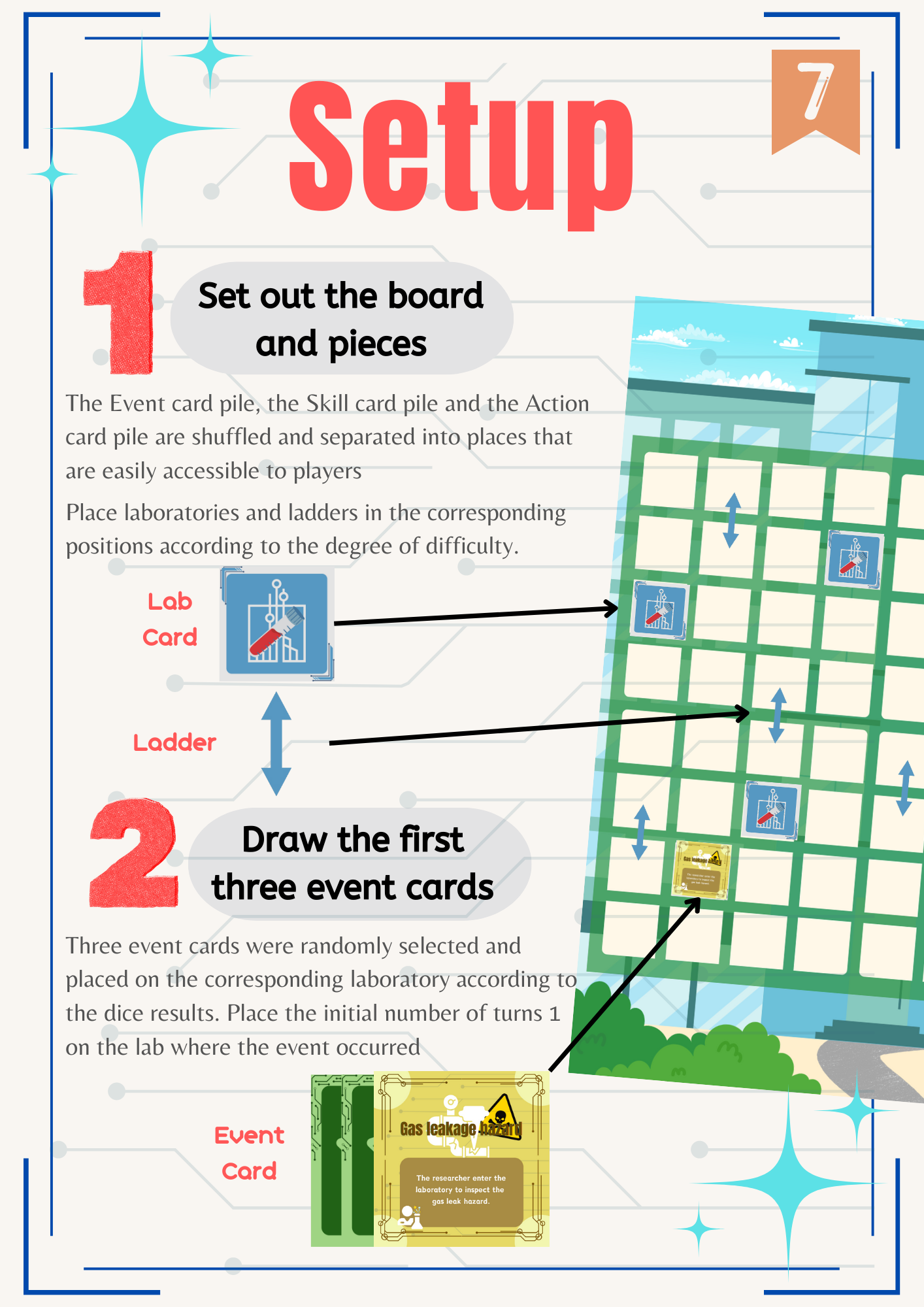
Play and analyze existing tabletop games, choose cooperative rescue as the direction, and develop initial incidents, rooms and roles.
Discuss the design with the instructor, revise floors and role abilities, produce the board and cards in Canva, and choose print sizes and materials.
Increase action-card draws from 3 to 4 and reduce rounds from 10 to 6; adjust incident counts, role configuration and response order.
Organize playtests and collect questionnaires, reviewing pacing, readability and role participation.
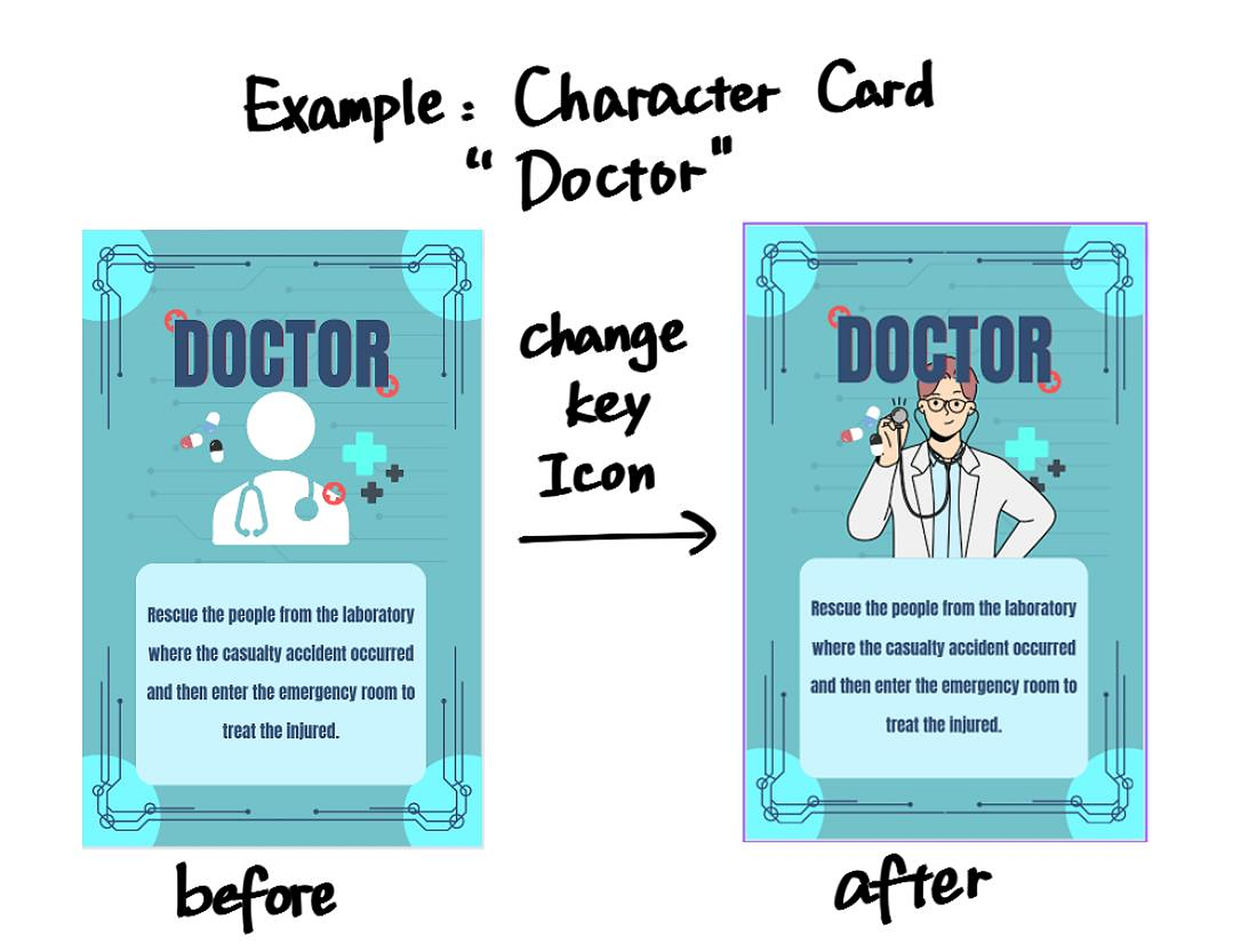
The portfolio retains the original board’s green and cyan, incident warning symbols and gold action cards. Together, the cards form a physical information interface: identify the category, read the ability or solution, then decide what to do.
Reflection: small cards and oblique viewing angles make solutions harder to read. The report records giving each player a solution reference sheet to reduce reliance on a shared rulebook.
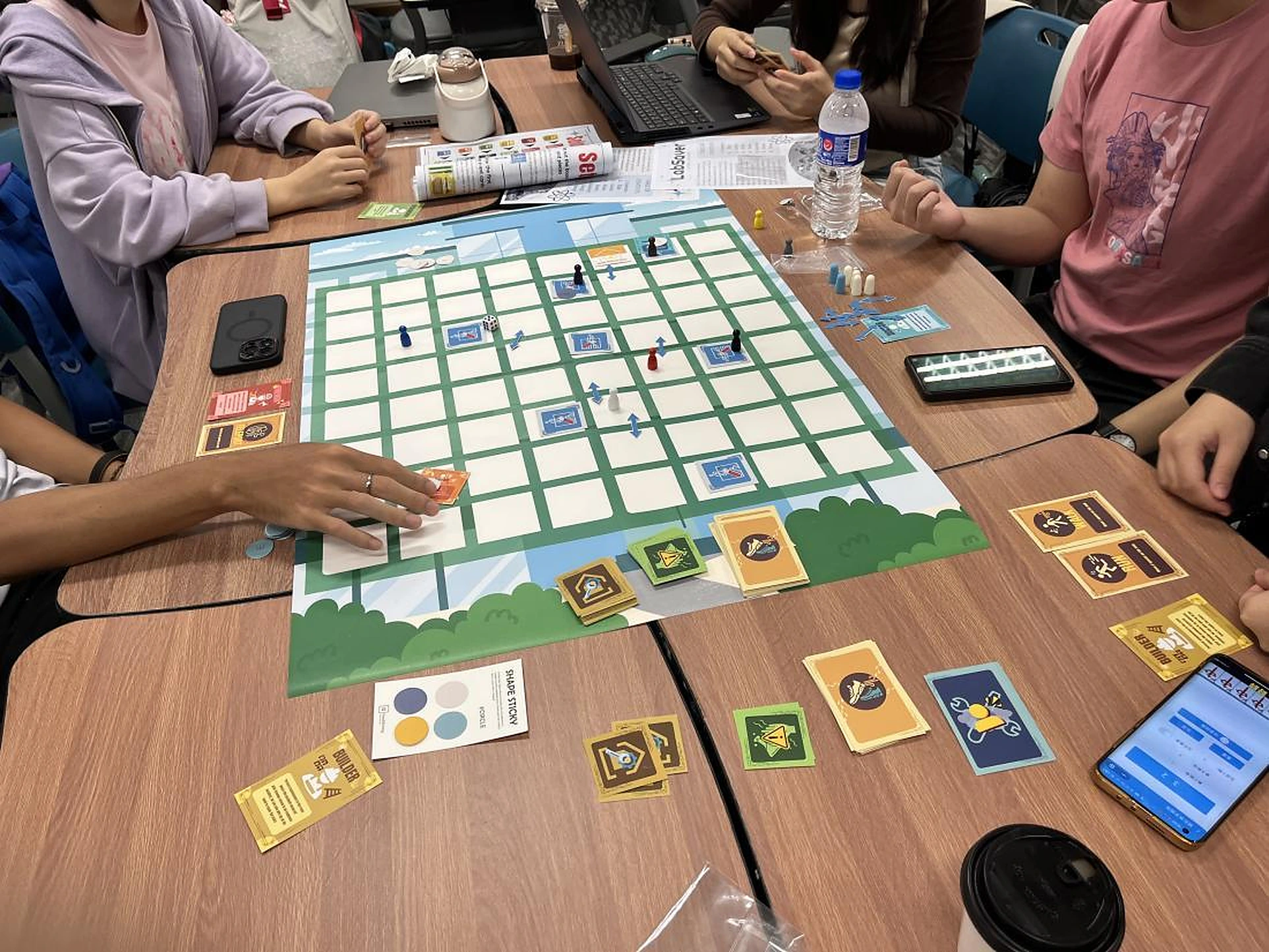
What players valued — and where friction remained.
26 responses · Up to 2 choices
23 responses · Up to 3 choices
Data comes from post-playtest questionnaires and summary charts in the original report. Individual raw responses and paired pre/post measures were not available. The finding that 80.8% considered the duration appropriate does not establish a corresponding improvement caused by the changes. A target age of 10+ does not mean all participants were children.
Reduce 10 rounds to 6 and redistribute incident draws to limit repetitive late-game actions while retaining crisis pressure.
Fix laboratory positions to reduce setup rolls, while retaining some random mechanisms for variation.
Provide personal solution reference sheets and adjust role counts and abilities. Reported difficulty with rules was 15.4%; further observation is needed.
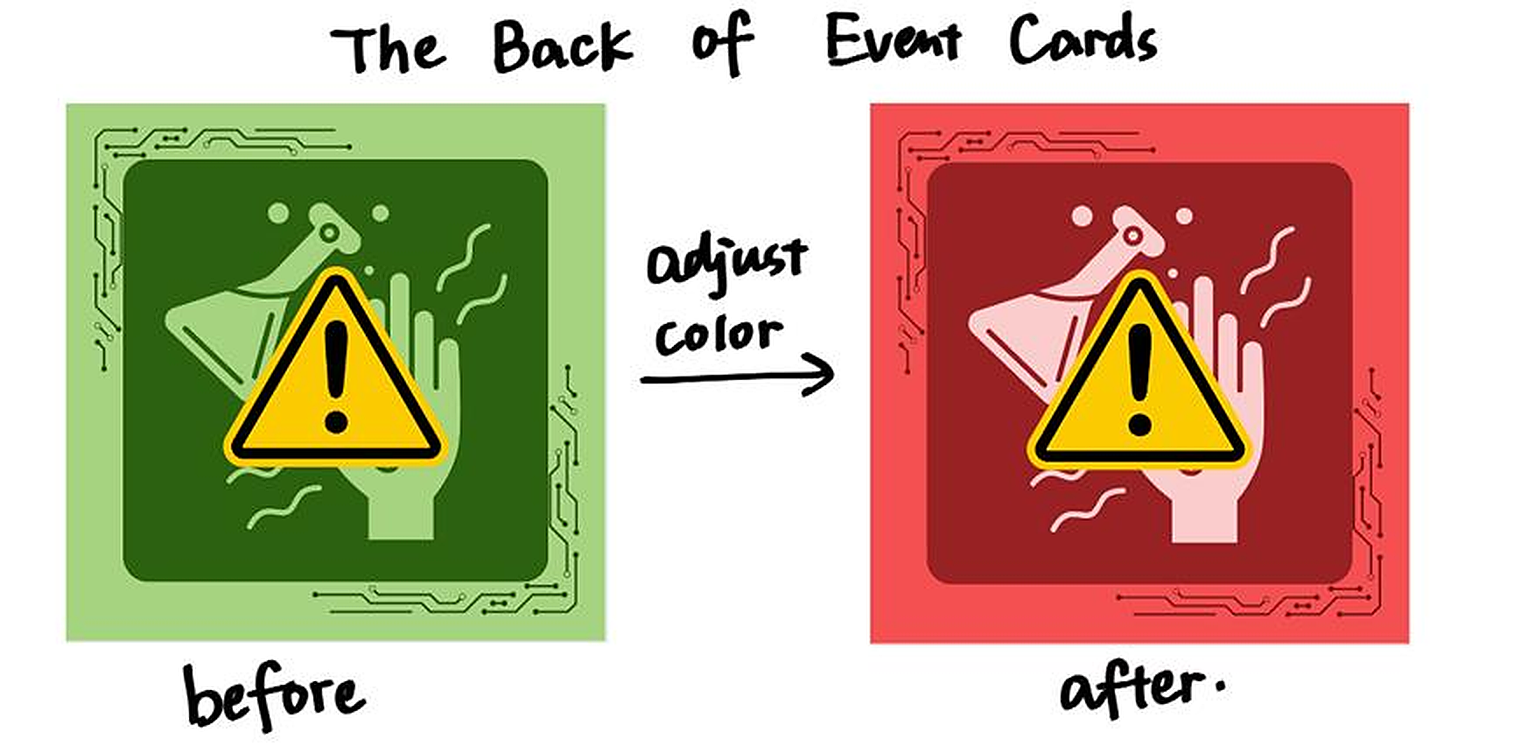
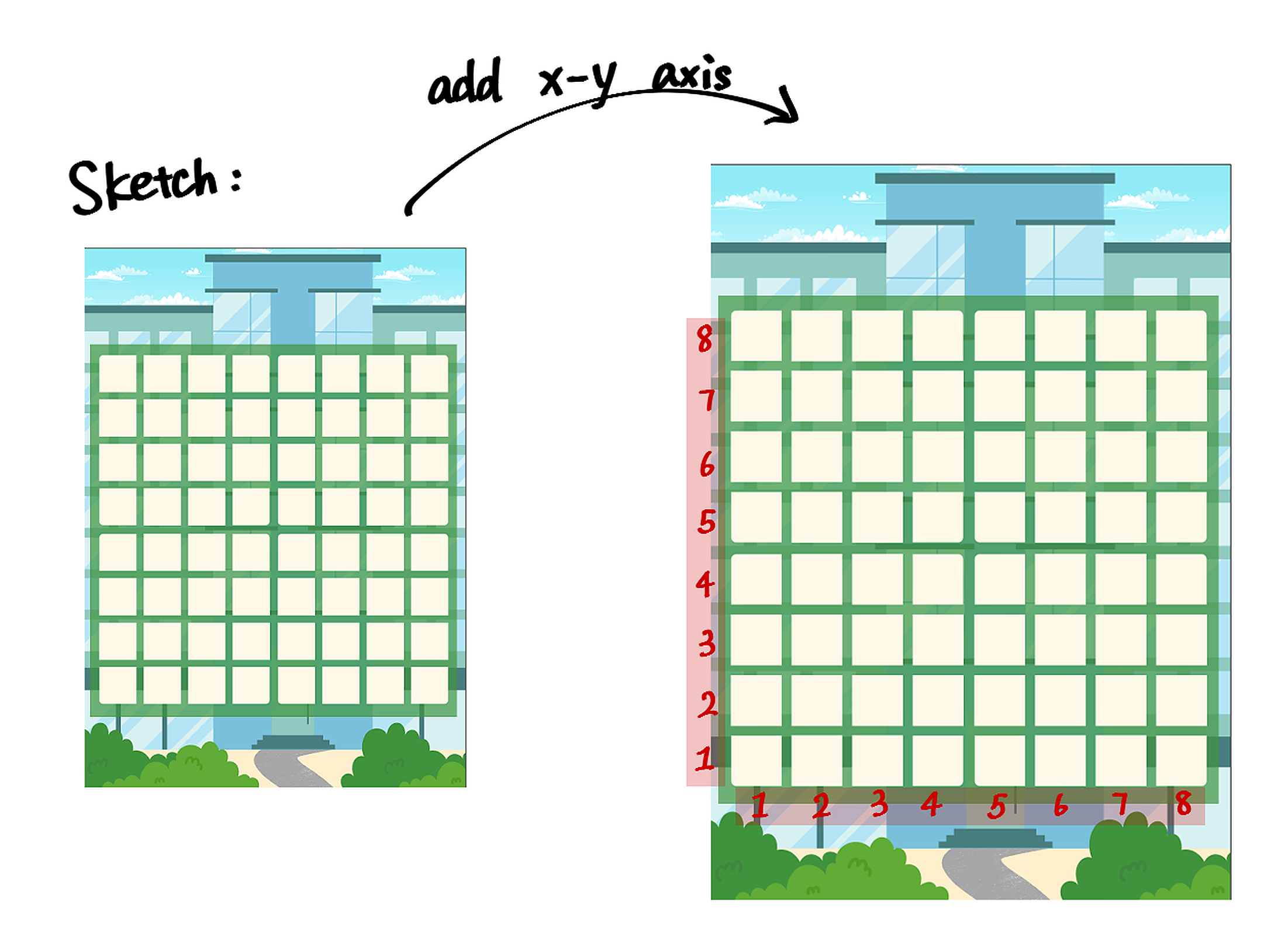
Use red warnings on incident-card backs, strengthen role and room icons, and reduce decoration; add board coordinates and clearer floor spacing. The report includes illustrations, but no subsequent outcome data.
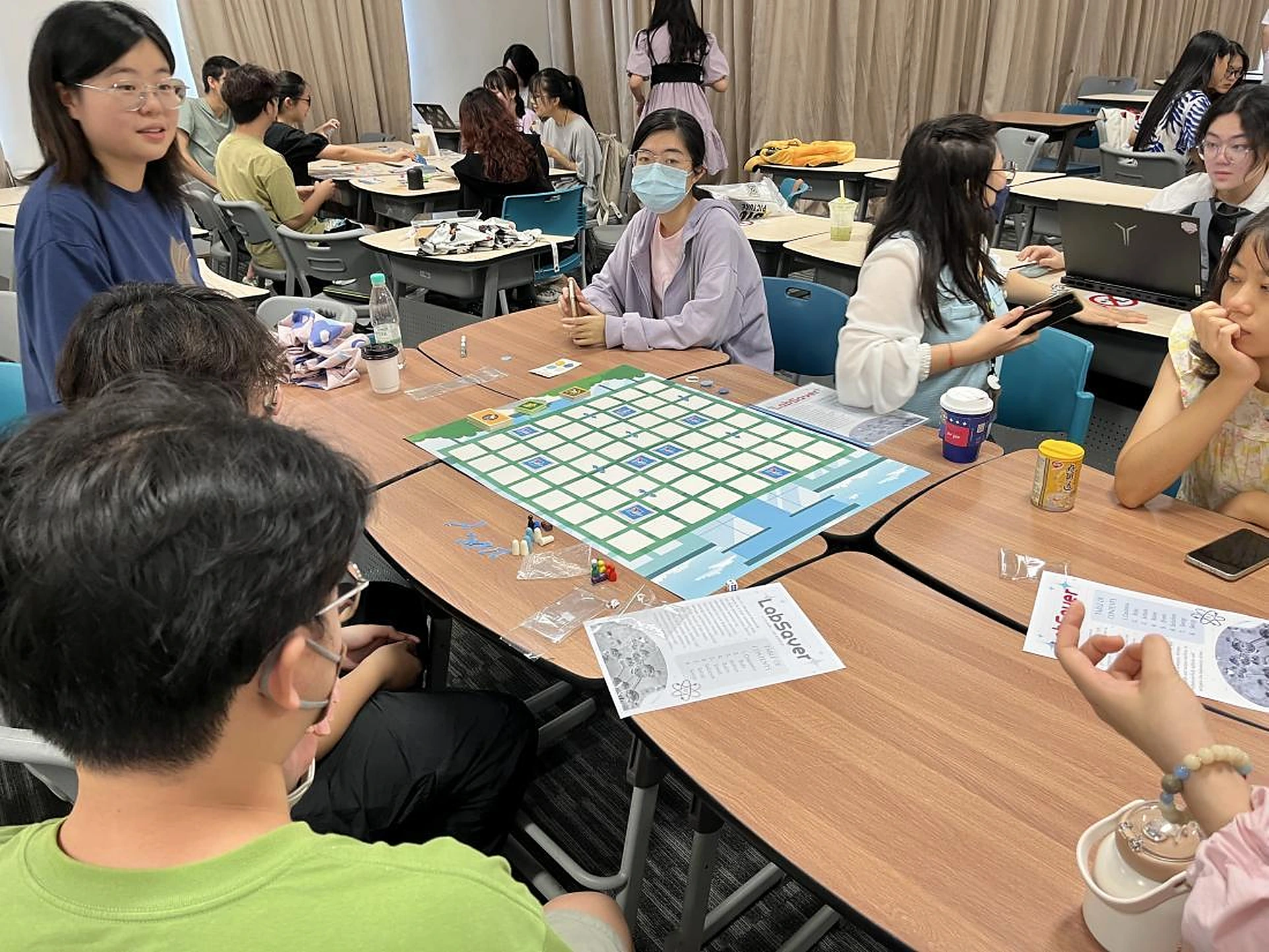
A multi-floor board, four card categories, an illustrated rulebook and individual solution sheets. Players could consult a rescue sequence while the rest of the team planned its moves.
I coordinated development planning and documentation, contributed to cards, rules and print preparation, and co-organized the December 14 and 17 playtests with Xu Jiaqi. I also helped analyze the questionnaire designed by Yu Yifan.